 WhatsApp




5 Easy Faster Ways to Create Custom Cardboard Boxes
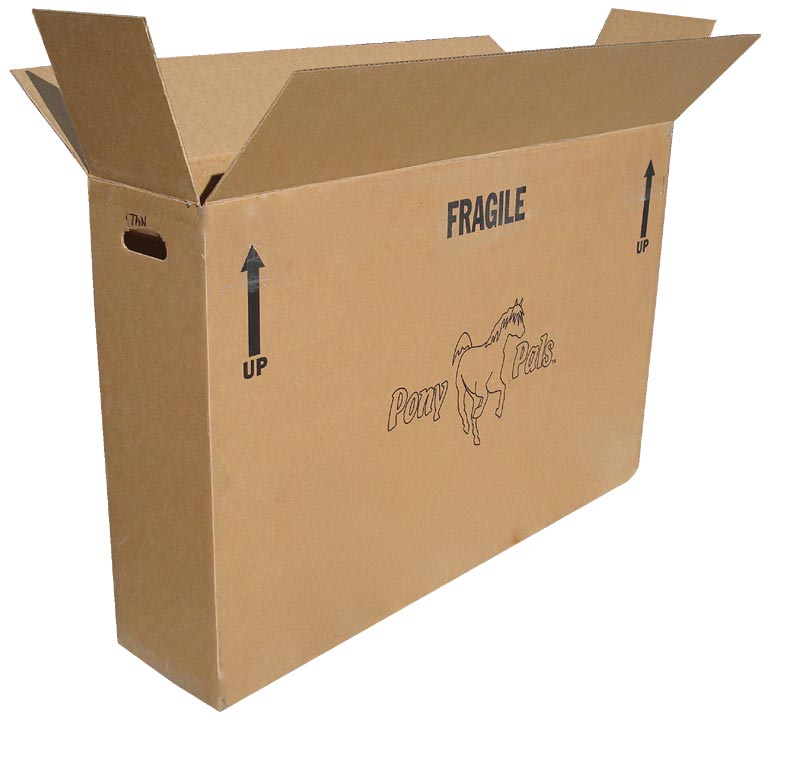
Need custom cardboard boxes for your business? Don’t waste half your day going back and forth with suppliers. Get five things ready before you request a quote, and you can make the whole process faster, easier, and a lot less stressful.
You know what you need: cardboard and boxes that fits your products, protects them during shipping, and looks professional. But when you contact a manufacturer, you’ll probably be asked a series of questions before they can give you an accurate price.
What size do you need? How strong should the cardboard be? How many boxes do you want? Where do you need them delivered? Do you want printing?
If you don’t have these answers ready, expect more emails, more questions, and more delays.
The good news? A little preparation goes a long way.
Whether you’re ordering custom packaging for the first time or simply need to reorder, here are five things to sort out before contacting a supplier. Get these details right, and you’ll make it much easier to get a quote, approve your order, and move on to the next task on your list.
1. Know Your Product Dimensions Before You Ask for a Quote for Your Cardboard Boxes
Don’t guess the box size. Measure your product first.
This sounds obvious, but incorrect measurements are one of the easiest ways to slow down a custom box order.
Before contacting a manufacturer, measure your product’s:
- Length
- Width
- Height
Also, think about how the product will be packed. Does it need bubble wrap, foam inserts, dividers or extra cushioning? If so, allow for that additional space.
One important detail: manufacturers often ask for the internal dimensions of the box, not the external dimensions. Make sure you know which measurements you’re providing.
If you sell several products in different sizes, prepare a simple list of dimensions for each one. This saves time and makes it easier for the manufacturer to recommend the right cardboard boxes.
What to have ready: Your product measurements, preferred box dimensions and any additional space needed for protective packaging.
Time-saving tip: Send your supplier the measurements in writing. A quick sketch or product photo with dimensions can also help avoid misunderstandings.
2. Choose the Right Board Strength. How Much Weight Can Your Box Safely Handle?
A box needs to do more than look good. It needs to hold up.
Think about what you’re putting inside the box; how heavy it is, and what happens to it during storage and delivery.
Will your boxes be stacked on top of each other in a warehouse? Will they be transported on pallets? Will they travel through several handling points before reaching your customer?
These details matter because not all cardboard has the same strength.
For example:
- Single-wall cardboard: Often suitable for lighter products and general shipping requirements.
- Double-wall cardboard: Provides additional strength for heavier products and more demanding handling conditions.
- Specialist board grades: May be appropriate when products need particular protection or stacking performance.
But here’s something worth asking your manufacturer:
How much weight can the box safely handle when stacked?
Don’t confuse the weight of the product inside the box with the weight a box can support when other boxes are stacked on top of it. These are two different requirements.
The manufacturer’s recommendations should take account of the box design, board specification, stacking conditions, and storage environment.
What to have ready: Product weight, expected stacking height, storage conditions and shipping requirements.
Time-saving tip: Tell your supplier how the boxes will actually be used. They can help recommend the right board strength instead of having you pay for cardboard that’s unnecessarily heavy or risk choosing something too weak.
3. Check the MOQ and Hidden Fees Before You Commit
The price per box isn’t necessarily the price you’ll pay.
Before you get excited about a quotation, find out the minimum order quantity (MOQ).
Some manufacturers have minimum production runs. Others may offer smaller quantities, but at a higher price per box.
Neither is necessarily a problem. You just need to know what you’re agreeing to.
Ask these questions upfront:
- What is your minimum order quantity?
- Does the price per box decrease if I order more?
- Are there setups or printing plate charges?
- Are there design or tooling fees?
- Is delivery included in the quotation?
- Are there any additional charges I should know about?
These are simple questions, but they can save you from unexpected costs later.
Also, think about how many boxes you realistically need. Ordering more may reduce the unit price, but only if you have the storage space and expect to use them.
What to have ready: Your estimated order quantity and budget, along with a clear understanding of any additional charges.
Time-saving tip: Ask for an itemized quotation showing the box price, setup costs, printing charges, and delivery. That way, you can compare suppliers without having to chase them for missing information.
4. Find Out the Delivery Lead Time. Where Is the Manufacturer Located?
A great price doesn’t help if your cardboard boxes arrive too late.
If you need packaging for an upcoming product launch, customer orders, or a busy sales period, delivery timing is just as important as the price.
Before placing an order, find out where your boxes will actually be manufactured.
Is the supplier manufacturing locally, or are the boxes being produced overseas?
This can make a difference to production schedules, transportation time and delivery costs.
Ask your supplier:
- Where is the manufacturing facility located?
- What is the production lead time?
- How long will delivery take after production?
- Are the boxes made to order?
- Can you accommodate repeat orders?
- Can you meet my required delivery date?
Remember, production time and delivery time are not necessarily the same thing.
A supplier might need two weeks to manufacture your boxes, followed by additional time for transportation and delivery.
If you’re working towards a deadline, get a realistic delivery date before approving the order.
What to have ready: Your delivery address, required delivery date and an estimate of how frequently you’ll need to reorder.
Time-saving tip: Tell your supplier your deadline from the beginning. Don’t just ask how quickly they can deliver. Ask them to confirm the expected production and delivery dates.
5. Get Your Branding and Custom Printing Ready
Want your boxes to look like your brand? Have your artwork ready.
Custom cardboard boxes aren’t just for protecting products. They’re also a way to present your business professionally.
If you want your company logo, brand colors, or other information printed on your boxes, let your manufacturer know before requesting a final quotation.
Printing can affect the production process, pricing, and minimum order quantity.
To avoid unnecessary delays, prepare:
- Your company logo is in a high-resolution format.
- Your brand colors and preferred design.
- Any text, website address or product information.
- Your preferred printing position.
- Any specific requirements for inside or outside printing.
You should also ask what artwork formats the manufacturer accepts. Some suppliers may request vector files, such as AI, EPS, or print-ready PDF files.
Don’t have a finished design? That’s fine. Ask whether the manufacturer can provide a template or dyeline so your designer can prepare the artwork to the correct box dimensions.
What to have ready: Your logo, artwork, brand colors and printing requirements.
Time-saving tip: Ask for digital proof before production. Check the spelling, logo placement, colors, and overall layout carefully. It’s much easier to correct a design before the boxes are manufactured.
Ready to Order Your Custom Cardboard Boxes? Get These Five Things Sorted First.
Ordering custom packaging doesn’t have to be complicated.
Most of the delays happen because important details are missing when the initial enquiry is made. The manufacturer needs to ask questions, wait for answers, and revise the quotation before moving forward.
You can avoid much of that back-and-forth by preparing five things in advance:
- Product dimensions: Know exactly what size box you need.
- Board strength: Understand the product weight and stacking requirements.
- MOQ and costs: Check minimum quantities and additional charges.
- Logistics and delivery: Confirm the manufacturing location and realistic lead time.
- Branding and printing: Have your artwork and design requirements ready.
That’s it.
You don’t need to become a packaging expert. You just need enough information to help your supplier understand what you need.
Whether you’re ordering a small batch or a large production run, having these details ready makes the process quicker, helps you get a more accurate quotation and reduces unnecessary emails and delays.
A little preparation today can save you hours tomorrow.
So, before you contact your next supplier for cardboard and boxes, get these five details together. You’ll be one step closer to getting your custom boxes ordered and getting on with your day.