 WhatsApp




Everything You Need to Know About Custom RSC Boxes
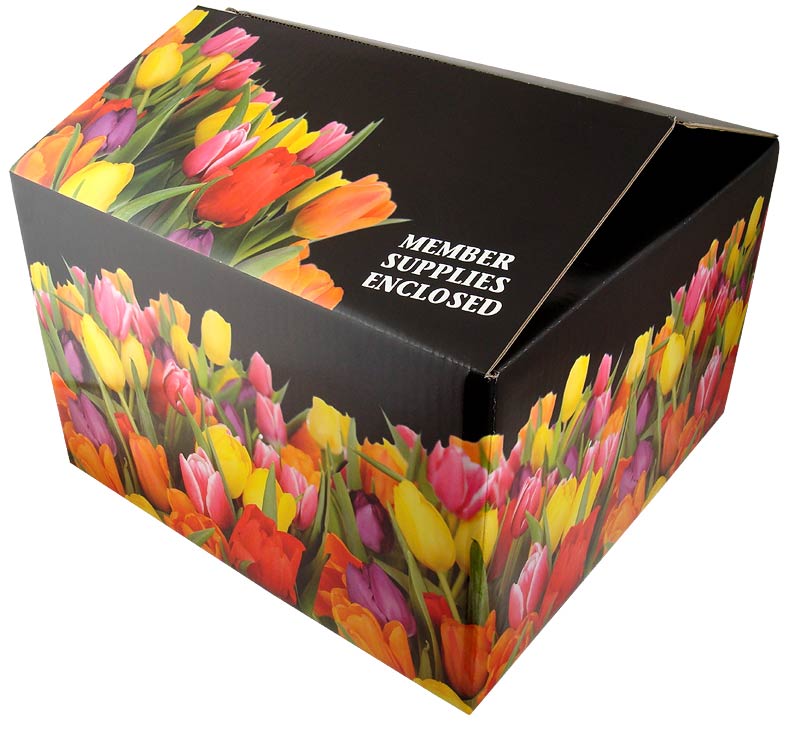
Shipping products safely requires selecting appropriate container styles. Among numerous options available, one design dominates commercial packaging applications worldwide. Understanding this popular format helps businesses make informed packaging decisions.
Understanding Custom RSC Boxes
Custom RSC boxes represent the most common shipping container style in use today. RSC stands for Regular Slotted Container, describing the standardized flap configuration that defines this box type. The design features flaps that are on top and the bottom, and they are joined at the center when closed.
This simple yet effective construction provides reliable protection for countless product types. Manufacturing efficiency keeps costs low while customization options allow brand differentiation. These factors combine to make RSC containers the default choice for most shipping applications.
Anatomy of an RSC Box
Every RSC box shares fundamental structural characteristics. All four side panels have equal height. Top and bottom flaps extend from each panel, with outer flaps meeting at the center seam.
Standard configurations include:
- Four equal-height side panels
- Inner flaps providing additional support
- Outer flaps meeting at center closure
- Single-piece construction from one corrugated blank
- Tape or adhesive sealing at center seams
This efficient design minimizes material waste while maximizing structural integrity and protection capabilities.
Benefits That Drive Popularity of Custom RSC Boxes
Custom RSC boxes offer advantages explaining their widespread adoption. Manufacturing simplicity reduces production costs significantly. Standard dimensions accommodate automated packing equipment seamlessly.
Storage efficiency benefits warehousing operations. Flat blanks stack compactly until assembly. Uniform dimensions simplify inventory management and space planning.
Customization options abound despite standardized construction. Printing transforms plain containers into branded marketing tools. Size variations accommodate diverse product requirements. Material specifications adjust protection levels appropriately.
Selecting the Right Specifications
Choosing appropriate RSC box specifications requires evaluating several factors. Product weight determines minimum board strength requirements. Fragility influences cushioning needs and wall thickness selections.
Shipping distance and handling frequency affect durability specifications. Products facing long journeys need stronger construction than locally distributed goods.
Consider stacking requirements carefully. Warehouse storage and transportation often involve stacking boxes multiple units high. Adequate compression strength prevents crushing and product damage.
Customization Opportunities
Custom RSC boxes accept various enhancements beyond basic construction. High-quality printing transforms functional containers into brand ambassadors. Coatings add moisture resistance or enhanced visual appeal.
Interior modifications improve product presentation and protection. Die-cut inserts secure items against movement. Printed interiors extend brand experiences beyond exterior surfaces.
Special closures, handles, and access features address unique application requirements while maintaining RSC efficiency advantages.