 WhatsApp



Everything You Need to Know About a Corrugated Box
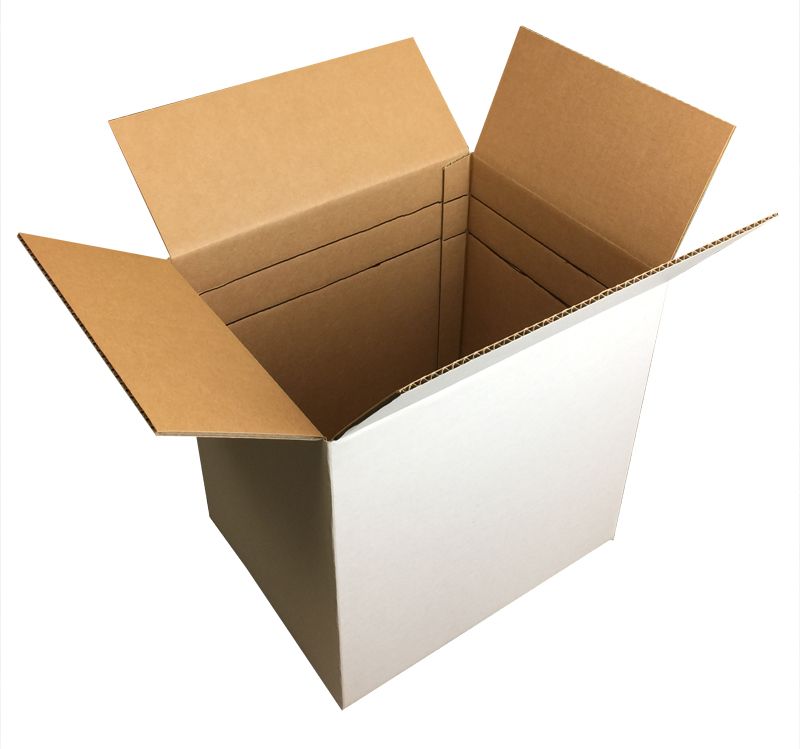
Shipping products safely requires reliable packaging solutions. Businesses of all sizes depend on sturdy containers to protect goods during transit and storage. Understanding your options helps you make smarter purchasing decisions.
What Makes a Corrugated Box Different
A corrugated box features a unique three-layer construction that sets it apart from standard cardboard. The design includes an inner liner, an outer liner, and a fluted middle layer that provides exceptional strength and cushioning.
This wavy middle section creates air pockets that absorb shocks and impacts during handling. The structure distributes weight evenly, allowing these boxes to hold heavier items than their lightweight appearance suggests.
Benefits of Cardboard Corrugated Boxes for Shipping
Cardboard corrugated boxes offer numerous advantages that explain their popularity across industries. Their strength-to-weight ratio keeps shipping costs manageable while providing reliable protection.
Key benefits include:
- Excellent shock absorption during transit
- Lightweight construction that reduces shipping expenses
- Stackable design for efficient warehouse storage
- Recyclable materials supporting sustainability goals
- Customizable sizes for diverse product needs
Many businesses choose cardboard corrugated boxes because they balance affordability with performance effectively.
Understanding Flute Types and Strength Ratings
Not every corrugated box performs identically. Manufacturers produce different flute profiles that affect strength, cushioning, and printing quality. Common options include A-flute, B-flute, C-flute, and E-flute varieties.
A-flute offers maximum cushioning for fragile items. B-flute provides a smoother surface ideal for printed graphics. C-flute balances cushioning and strength for general shipping needs. E-flute works well for retail packaging requiring high-quality printing.
Understanding these differences helps you select appropriate materials for specific applications.
The Right Size and Style for Your Corrugated Box
Selecting properly sized cardboard corrugated boxes prevents damage and reduces waste. Boxes too large require excess void fill and increase dimensional weight charges. Undersized containers risk crushing and product damage.
Measure your products carefully and allow adequate space for cushioning materials. Consider how items will orient inside the box and whether multiple products ship together frequently.
Common box styles include regular slotted containers, full overlap designs, and die-cut options for unique shapes. Each style serves different purposes and offers distinct advantages.
Corrugated Box Environmental Considerations
Sustainability increasingly influences packaging decisions. Fortunately, corrugated box materials rank among the most recyclable packaging options available. Most municipalities accept corrugated cardboard in curbside recycling programs.
Many manufacturers now offer boxes containing high percentages of recycled content. Some provide certifications verifying responsible forestry practices and sustainable sourcing.
Making Informed Decisions
Your packaging choices affect product safety, shipping costs, and customer satisfaction. By understanding cardboard corrugated boxes and their capabilities, you can select materials that serve your specific needs effectively.
Take time to evaluate your requirements honestly. The right corrugated box protects your products while supporting your business goals and environmental values.