 WhatsApp



Why Bulk Shipping Boxes Are the Backbone of Large-Scale Logistics
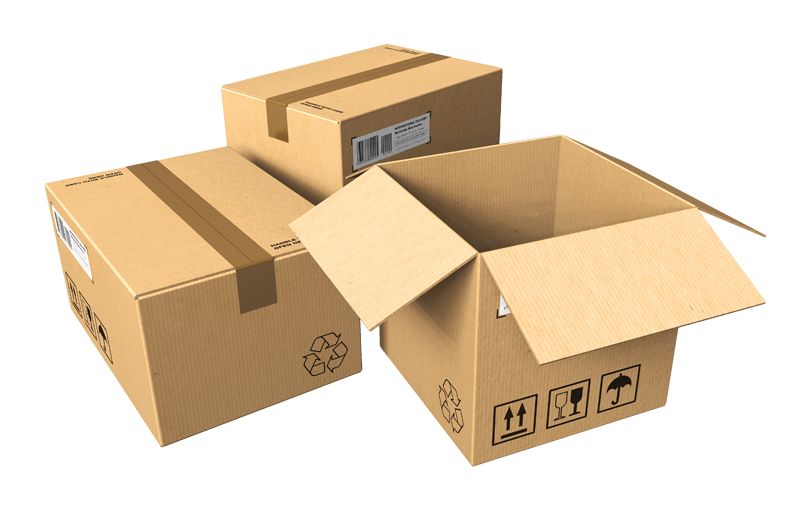
In today’s fast-paced supply chain environment, efficient packaging is essential for keeping operations smooth and costs under control. Bulk shipping boxes play a vital role in helping businesses manage high-volume transportation while maintaining product safety. For companies that move large quantities of goods regularly, wholesale shipping boxes offer a practical and economical solution that supports scalability, consistency, and operational efficiency from warehouse to final destination.
Bulk Shipping Boxes Designed for High-Volume Shipping Needs
This type of box is specifically created to support the movement of goods in large quantities. Unlike single-use or small-batch packaging, it is optimized for repeated, large-scale shipments where uniformity and reliability matter. These boxes are typically produced in standardized sizes to make stacking, palletizing, and loading more efficient, helping businesses maximize available space in trucks and storage facilities.
Strength and durability are key considerations in their design. Thicker materials and reinforced construction help the boxes withstand compression, handling, and long transit routes. This makes them well-suited for supply chains where goods may pass through multiple distribution points before reaching their destination. Their structural integrity helps reduce product damage and minimizes losses, which is especially important when shipping in bulk.
Versatility Across Industries and Products
One of the biggest advantages of this box type is its versatility. It is used across a wide range of industries, including retail, manufacturing, food and beverage, electronics, and e-commerce. Because these boxes can be produced in various sizes and strengths, they are capable of carrying everything from lightweight consumer goods to heavier industrial items.
In retail and e-commerce, these boxes are commonly used to ship multiple units of the same product or assorted items to distribution centers and fulfillment hubs. Manufacturers rely on them to transport components, raw materials, or finished products between facilities. In the food industry, they are often used for secondary packaging, grouping individual product units together for easier handling and distribution.
The adaptability of these boxes allows businesses to streamline packaging processes. Using a consistent box format across shipments simplifies inventory management and reduces packing time, making daily operations more efficient.
Cost Efficiency and Operational Benefits of Bulk Shipping Boxes
Another major reason businesses rely on this box type is cost efficiency. Purchasing packaging in larger quantities often reduces the per-unit cost, making it a budget-friendly option for companies with ongoing shipping needs. This predictable pricing structure helps businesses plan expenses more accurately and maintain healthier profit margins.
Operational efficiency is also improved through the use of standardized packaging. Uniform box sizes make it easier to automate packing lines, organize warehouse layouts, and optimize pallet configurations. This leads to faster loading and unloading times, reduced labor costs, and better use of storage space.