 WhatsApp



Why Eco-Friendly Packaging Matters More Than Ever
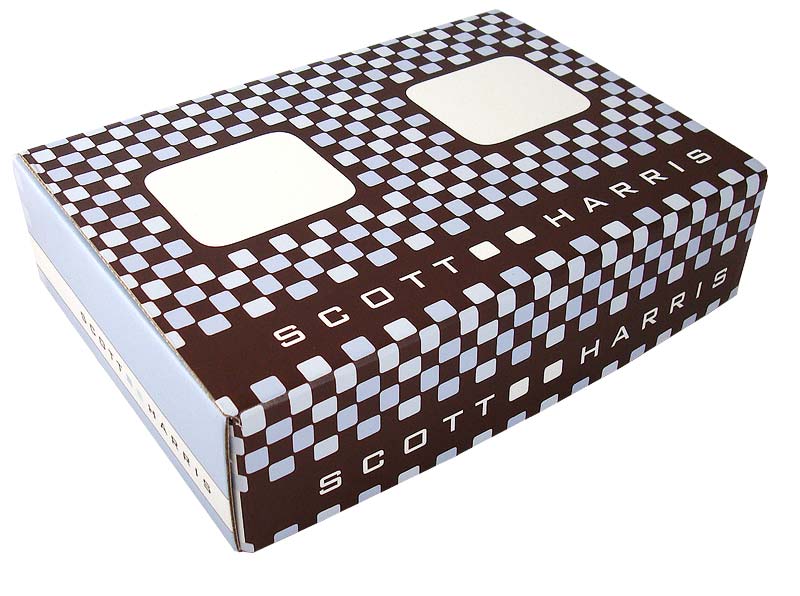
Environmental consciousness shapes consumer decisions increasingly. Businesses that demonstrate ecological responsibility attract loyal customers who share those values. Packaging choices represent one of the most visible ways companies can reduce their environmental impact.
The Growing Demand for Eco-Friendly Packaging
Eco-friendly packaging has shifted from niche preference to mainstream expectation. Consumers actively seek brands that minimize environmental harm through responsible material choices. Studies consistently show customers willingly pay premiums for sustainably packaged products.
This shift reflects broader awareness about plastic pollution, deforestation, and climate change. People recognize that everyday purchasing decisions carry environmental consequences. Businesses responding to these concerns build stronger customer relationships and competitive advantages.
Understanding Sustainable Packaging Options
Sustainable packaging encompasses various materials and approaches designed to reduce environmental impact. Recycled cardboard and paper products divert waste from landfills. Plant-based materials offer biodegradable alternatives to traditional plastics.
Common options include:
- Recycled and recyclable cardboard
- Biodegradable packing peanuts
- Mushroom-based packaging materials
- Compostable mailers and wraps
- Soy-based inks for printing
Each option offers different benefits depending on product requirements and supply chain considerations.
Eco-Friendly Packaging And Environmental Impact
Eco-friendly packaging delivers advantages extending beyond ecological responsibility. Many sustainable materials cost comparably to conventional alternatives when purchased at scale. Reduced material usage often lowers shipping weights and associated costs.
Brand perception improves significantly when companies demonstrate environmental commitment. Customers share positive experiences with sustainable brands on social media, generating organic exposure. Employee morale often increases when workers feel proud of company values.
Implementing Changes Effectively
Transitioning to sustainable packaging requires thoughtful planning rather than overnight transformation. Start by auditing current materials and identifying easy substitution opportunities. Prioritize changes that deliver meaningful impact without disrupting operations.
Consider your entire packaging ecosystem. Outer containers, inner cushioning, tape, and labels all present improvement opportunities. Sometimes small changes across multiple elements create greater cumulative impact than dramatic single modifications.
Communicate changes to customers authentically. Explain why you made specific choices and how those decisions benefit the environment. Avoid exaggerated claims that could appear as green-washing.
Challenges Worth Addressing
Eco-friendly packaging implementation presents legitimate challenges businesses must navigate. Some sustainable materials offer less protection than conventional alternatives. Supply chain availability varies by region and season.
Testing ensures new materials adequately protect products during shipping and storage. Start with pilot programs before committing to full-scale transitions. Gather customer feedback about packaging changes and adjust accordingly.
Cost considerations require honest assessment. While many sustainable packaging options prove cost-competitive, some premium materials increase expenses. Balance environmental goals with business realities pragmatically.